
Best Time to Visit California
The best time to visit California depends on your priorities—whether you seek perfect weather, fewer crowds, lower prices, or specific activities like beach days, hiking, wine harvest, or skiing. California’s massive size means climates vary dramatically: mild coastal Mediterranean weather, scorching deserts, snowy mountains, and foggy northern shores.
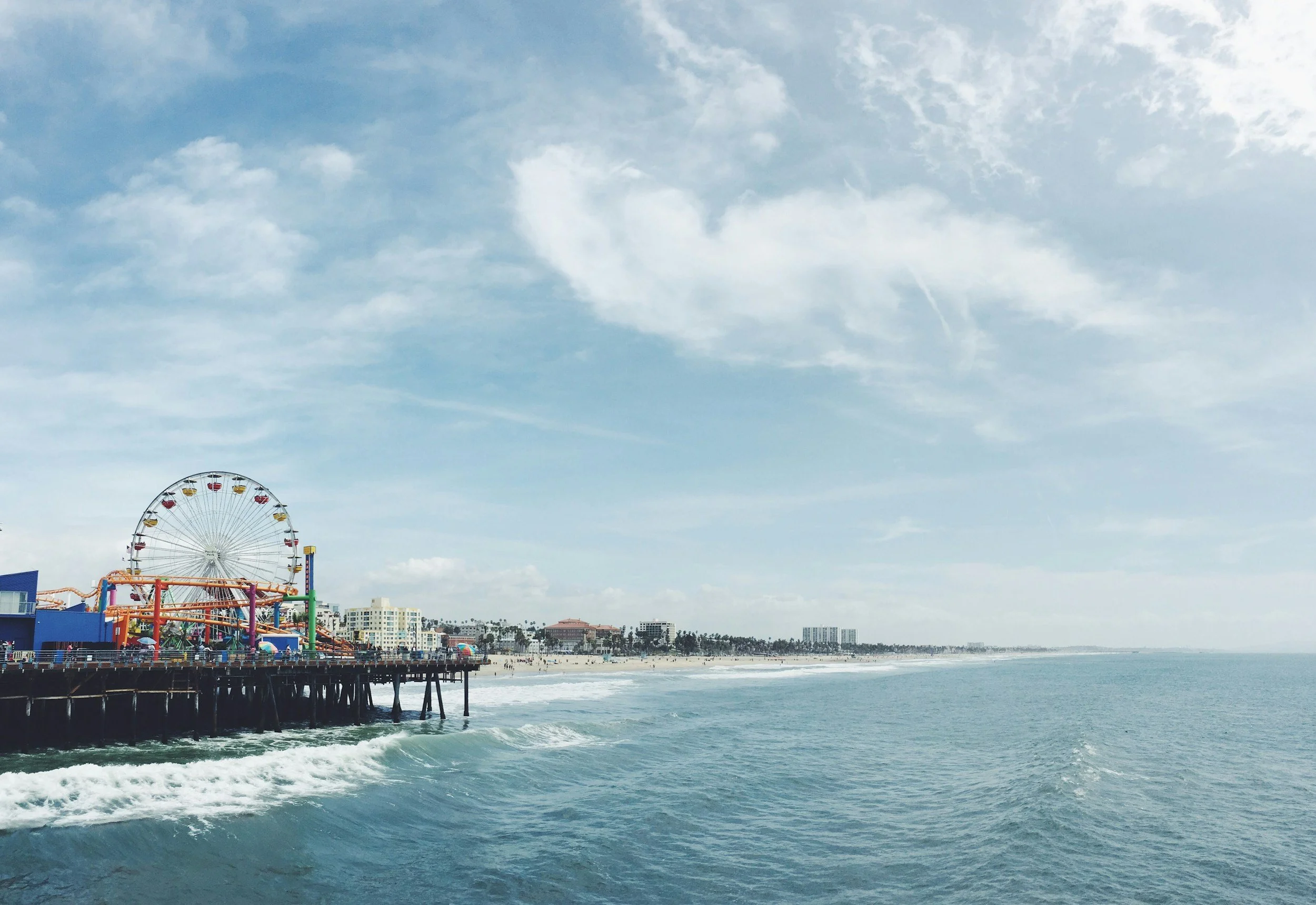
For most travelers, the shoulder seasons of April–June and September–October strike the ideal balance of comfortable temperatures, manageable crowds, and lower hotel rates compared to peak summer.
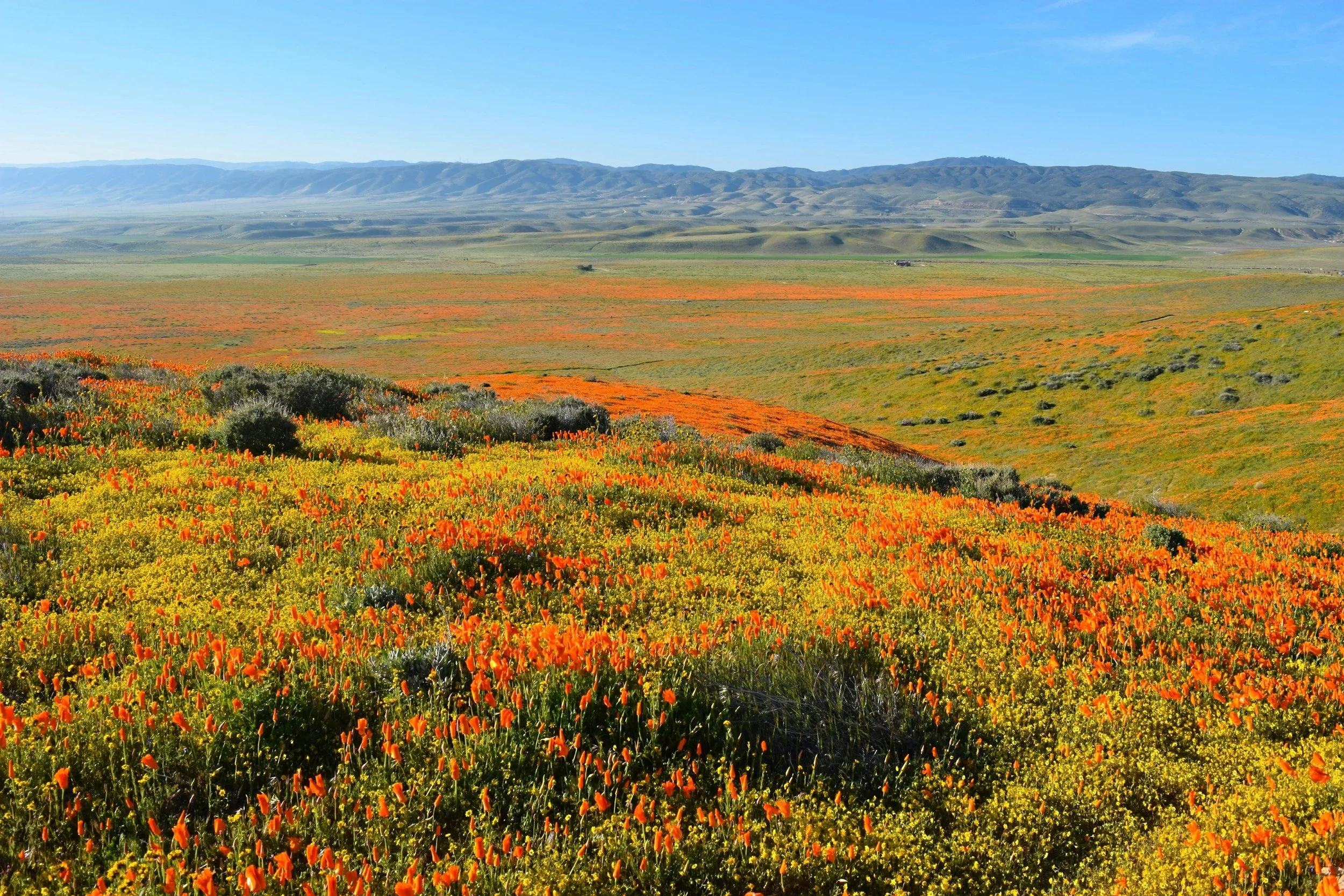
Spring (March–May): Wildflowers, Mild Weather & Fewer Crowds
Spring brings blooming wildflowers across deserts (Anza-Borrego), hillsides, and national parks like Yosemite and Joshua Tree. Coastal areas enjoy clear skies with less fog, especially in San Francisco during April–May. Temperatures are pleasant (60–75°F / 15–24°C in many areas), making it excellent for hiking, road trips along Highway 1, and exploring cities without summer heat or crowds.
This is a great shoulder season for national parks, Big Sur drives, and outdoor adventures before school lets out. Expect occasional rain in the north, but overall quieter and more affordable travel.
Summer (June–August): Beaches, Festivals & Peak Crowds
Summer delivers classic California sunshine—perfect for beaches in Southern California (Los Angeles, San Diego), surfing, and outdoor festivals. Days are warm to hot (70–90°F+ / 21–32°C+ inland), with long daylight hours ideal for theme parks like Disneyland, wine country visits, or Lake Tahoe.
However, this is peak tourist season: expect heavy crowds at attractions, national parks, and coastal spots, plus higher prices for flights, hotels, and rentals. June gloom (fog) can linger in Northern California early on. Best for families on vacation or those prioritizing beach and festival vibes (e.g., Outside Lands in SF, music events).

Fall (September–November): Warm Days, Harvest Season & Indian Summer
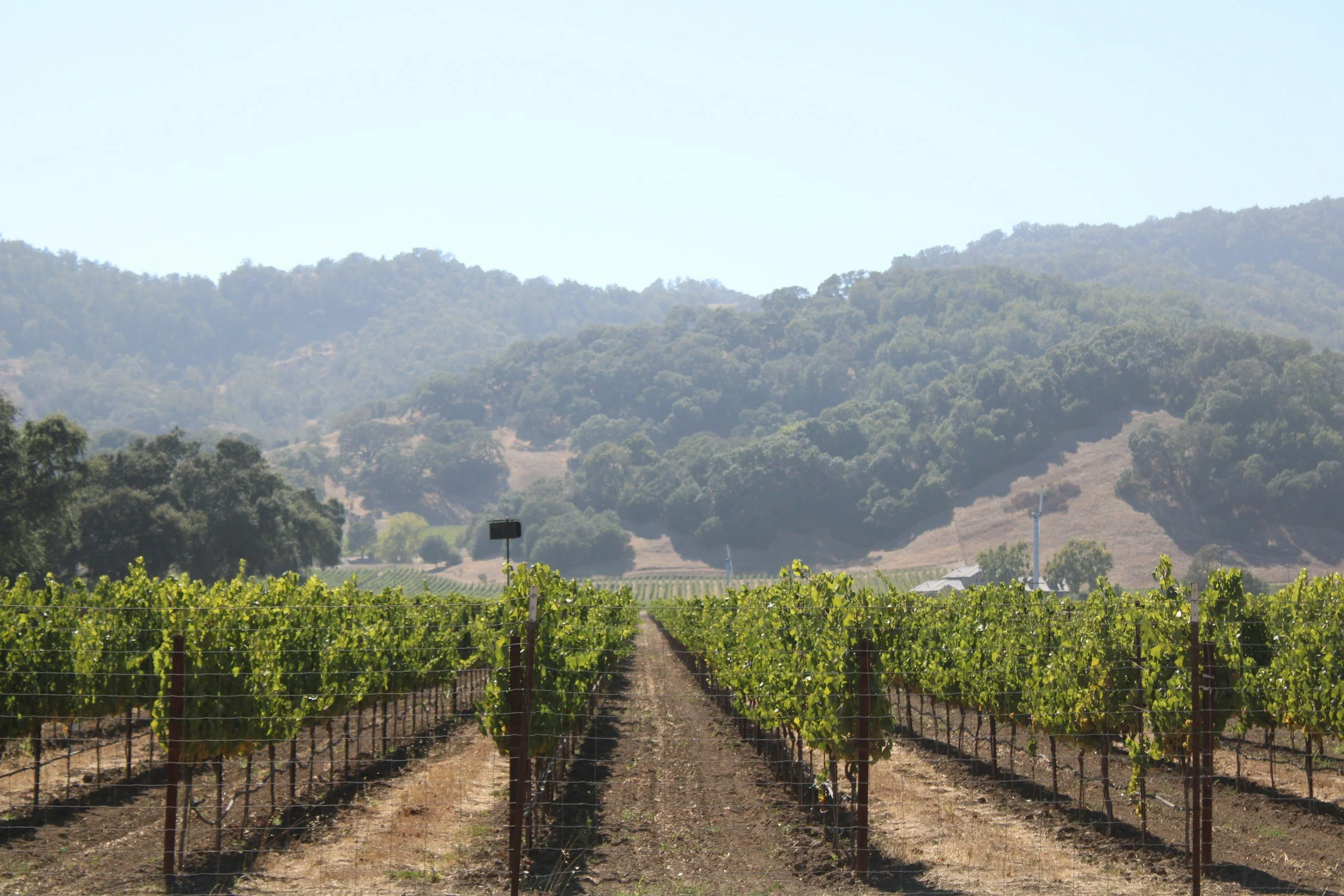
Many consider September and October the absolute best months to visit California overall. Coastal fog clears for “Indian Summer,” San Francisco reaches its warmest and sunniest days (65–75°F / 18–24°C), and beaches remain inviting with warmer ocean water. Wine country (Napa, Sonoma, Paso Robles) buzzes with grape harvest (“the crush”), offering festivals, tastings, and golden vineyard views.
Crowds thin after Labor Day as kids return to school, yet weather stays excellent for hiking, road trips, and city exploration. November brings cooler temps and possible rain but quieter parks and holiday lead-up events.
Winter (December–February): Mild Coasts, Snowy Mountains & Best Deals
Winter offers the lowest crowds and prices, especially mid-January to mid-March (avoiding holidays). Southern California stays mild and sunny (60–70°F / 15–21°C), ideal for desert hiking in Death Valley or Palm Springs, whale watching along the coast, and quiet beach walks.
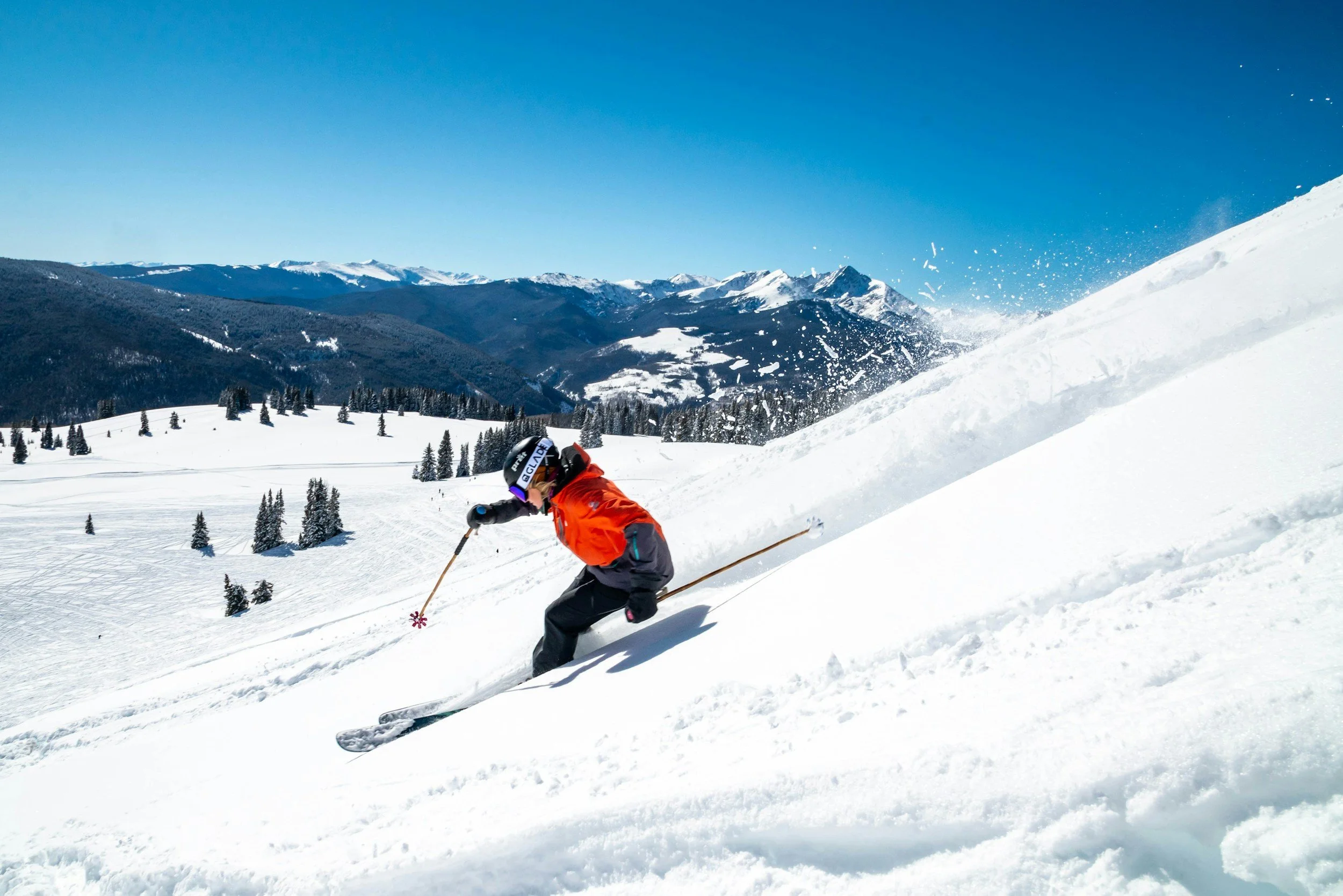
Northern areas and mountains see rain or snow—perfect for skiing/snowboarding at Lake Tahoe, Mammoth, or Big Bear. Cities like Los Angeles and San Diego shine for urban escapes with festive lights and events (Rose Parade in Pasadena). Drawbacks include shorter days and occasional storms, but it’s the cheapest time for flights and lodging.
Regional Quick Guide for 2026
San Francisco Bay Area: September–October (warmest, least foggy).
Los Angeles & Southern California: Year-round, but October often tops for ideal weather and fewer crowds; summer for beaches.
Wine Country: September–October for harvest season.
Yosemite & National Parks: April–May or September–October (wildflowers or fall colors, fewer summer lines).
Deserts (Palm Springs, Death Valley): Winter or early spring (avoid extreme summer heat).
Beaches & Coast: June–August for swimming; shoulder seasons for scenery and space.
Tips for Planning Your California Trip
Avoid peak crowds: Skip mid-June to late August if possible, or travel midweek.
Book early: For summer or holidays; shoulder seasons offer more flexibility.
Watch for events: Coachella (April), wine festivals (fall), or holiday happenings (winter) can spike local crowds and prices.
Weather variability: Layer clothing—coastal evenings cool down quickly, and inland areas swing hotter/colder.
Sustainability note: Visit during shoulder seasons to ease pressure on popular spots like national parks.
California delivers memorable experiences year-round, but April–June and September–October consistently provide the sweetest spot for most visitors seeking sunshine, scenery, and sanity. Whether you’re road-tripping the coast, chasing wildflowers, or sipping harvest wines, timing it right makes all the difference.